
Nusa Lembongan Mangrove Forest
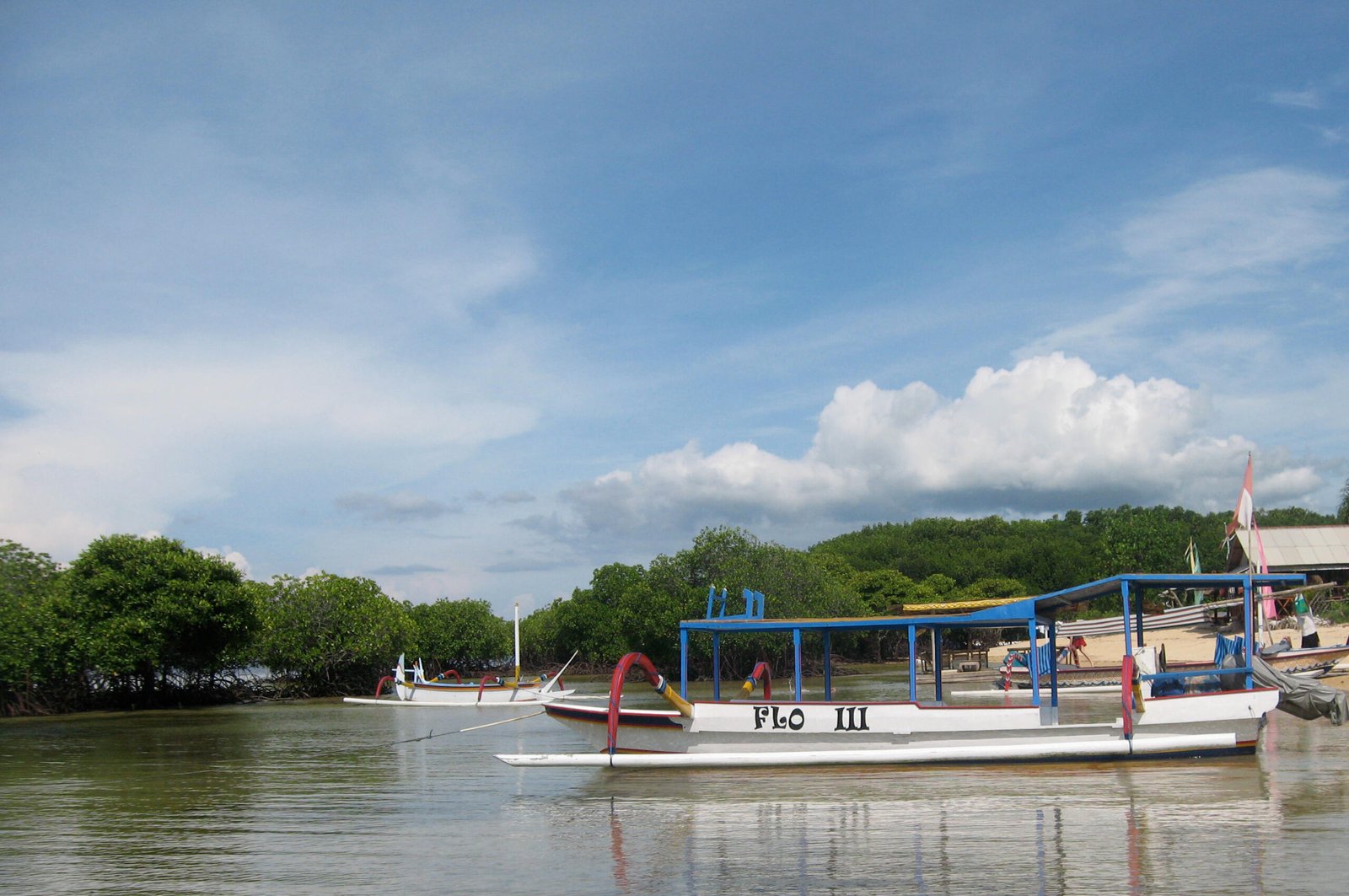
Photo: User:(WT-shared) Burmesedays / Wikimedia Commons, CC BY-SA 4.0. No editorial changes by BaliFinder; WordPress may generate display sizes. Source photograph dated 2009-03.

Nusa Lembongan Mangrove Forest offers a different island experience from beach clubs and cliff viewpoints. On the northeastern coast, the interest is in narrow waterways, interlaced roots and the gradual transition between land and sea. A visit works best when treated as a guided look at a coastal habitat, with time to observe rather than a hurried ride added between photographs.
Local operators offer forest excursions in small boats, with kayaking and stand-up paddleboarding also advertised by some providers. These options are not identical. The right choice depends on the tide, the route, your confidence on the water and how much interpretation you want from a guide.
Understanding the forest setting
Mangroves occupy a coastal environment shaped by changing water levels. Their visible roots are part of the landscape’s character, but they are also living structures. Keep hands, paddles and boats from damaging them. Do not pull branches aside for photographs or leave the boat to walk through muddy vegetation without explicit guidance.
A quiet approach improves the chance of noticing movement and sound around the waterways. Wildlife sightings vary, so choose a tour for the habitat itself rather than a promised animal encounter. Leave food packed away and avoid feeding anything you see. The forest is more rewarding when explored with patience than with loud music or constant repositioning for pictures.
Choosing a boat, kayak or paddleboard trip
Lembongan Beach Club and Resort describes traditional forest tours using small non-motorised wooden boats operated by local guides. It also advertises kayak and paddleboard alternatives. Ask the provider exactly which activity is included, whether a guide accompanies you, and where the route begins and ends.
For a first visit, a guided boat can leave more attention free for observing the forest. Paddling requires you to manage both your craft and the route. Even when promotional material describes sheltered water, conditions still need checking. Request appropriate flotation equipment, explain any limitations and agree what happens if weather or tides make the planned outing unsuitable.
Tides and departure times
Water level is central to planning. The resort’s published advice notes that low tide can make channels inaccessible and recommends coordinating visits with a suitable tide. That makes a locally confirmed departure more useful than choosing a time solely because it fits between breakfast and lunch.
Ask your operator for the day’s practical window before arranging other activities. An early start may be pleasant, but it should not override the tide requirement. Build flexibility into transport and avoid promising yourself a fixed-duration circuit through every channel. Routes can change according to access and conditions.
Forest tours are different from Mangrove Point snorkeling
The word “mangrove” appears in both landward forest excursions and offshore snorkeling itineraries around Lembongan. A booking for Mangrove Point does not automatically mean a boat ride among trees. Read the activity description carefully and ask whether the trip includes the forest, the reef, or both.
If snorkeling is included, discuss the sea conditions, swimming ability, equipment and supervision separately. A peaceful forest photograph says nothing about conditions at an offshore snorkeling site. Keeping the two activities distinct makes it easier to choose a suitable trip and prevents disappointment when a package follows a different route from the one expected.
Combine the visit with northern Lembongan
Jungut Batu Beach is a useful base for arranging the excursion and returning for a meal. Panorama Point Lembongan offers a broader view of the island landscape, while Nusa Ceningan Seaweed Farms provides another perspective on the relationship between island communities and shallow coastal water.
Carry drinking water and a small bag that can protect valuables from splashes. Confirm transport, tour duration and any separate charges before departure. Paying a clearly agreed local guiding fee supports the work involved without turning every interaction into an unexpected negotiation.
Photo: User:(WT-shared) Burmesedays / Wikimedia Commons, CC BY-SA 4.0. No editorial changes by BaliFinder; WordPress may generate display sizes. Source photograph dated 2009-03.